
Meet the Team
-
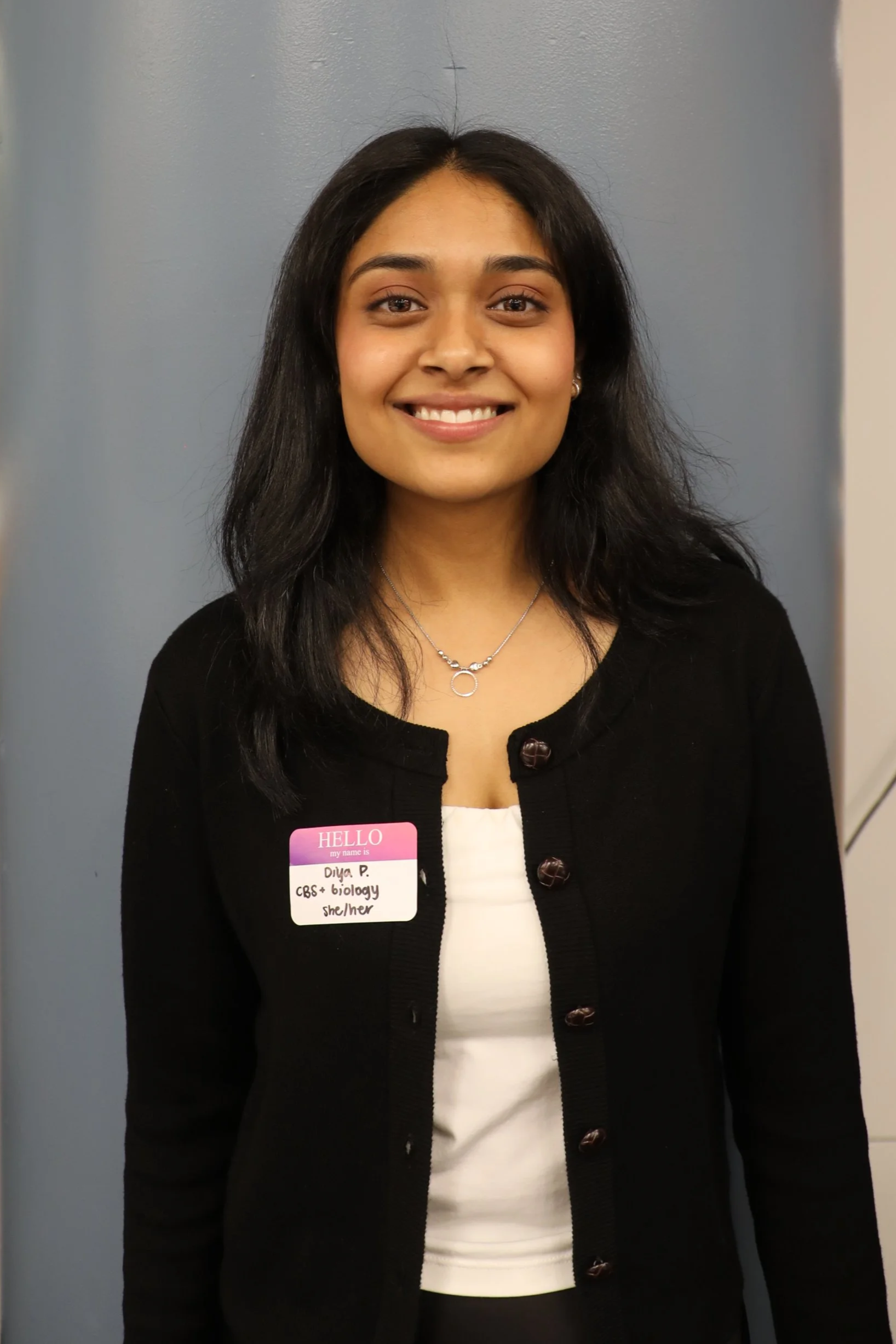
Diya Patel
CO-PRESIDENT
COGNITIVE AND BRAIN SCIENCE + BIOLOGY MAJORHi! I love the outdoors: hiking, running, kayaking, etc. In my free time, I like drawing/painting, exploring the city, and ice skating. I enjoy deep diving into a variety of topics in neuroscience from cognition to neuron regeneration.
FAVORITE BRAIN FACT: Psilocybin desynchronizes neurons in the default mode network. Does desynchronization cause hallucinations or the hallucinations cause the desynchronization? We don’t know yet.
-

Yerkezhan (Jane) Smagulova
CO-PRESIDENT
BIOPSYCHOLOGY MAJORHey guys! I mostly go by Jane on campus but my given name is Yerkezhan. I am a senior here at Tufts and am an international student from Almaty, Kazakhstan. I love spending time outdoors (hiking, skiing, etc.), running, spending time with friends, and listening to music (genres vary by mood)!
FAVORITE BRAIN FACT: Gratitude and positivity changes your brain structure. Practicing positive thinking can strengthen neural pathways associated with joy, resilience, and optimism. Regular gratitude practices, for example, help increase activity in the brain's reward system, making positivity more of a default state.
-

Dylan Landau
LAB COORDINATOR
BIOMEDICAL ENGINEERING MAJORHi! I’m a senior from NY studying biomedical engineering on a pre-med track. Alongside my passion for science, I enjoy getting outdoors, listening to music, and going on runs. I also play tennis on the club tennis team here at Tufts and with my brother and dad when I’m home.
FAVORITE BRAIN FACT: The human brain is not fully developed until 25, and development occurs from the back of your brain to the front. The frontal lobe is usually the last part of your brain to fully develop, which is responsible for reasoning, decision-making, and planning.
-

Sarah Dorielan
SOCIAL MEDIA + NN TASK FORCE REPRESENTATIVE
BIOPSYCHOLOGY MAJOR + CHILD STUDIES & HUMAN DEVELOPMENT MINORI am a daydreamer and avid fan of concerts and all things R&B from the Greater Boston area. In the future, I hope to be in a career involving psychiatry, but as for right now, you can typically find me crocheting or journaling with my headphones on.
FAVORITE BRAIN FACT: Daydreams can shape the brain's future response to what it sees!
-

Ella Lombardo
EVENTS COORDINATOR
CLINICAL PSYCHOLOGY + CHILD STUDIES AND HUMAN DEVELOPMENT MAJORHi! I’m currently a junior studying Biopsychology and Child Studies. I’m from Miami, FL so right now I’m currently missing the sun… I love dancing and I am a zumba instructor here at Tufts. Other than that I love doing escape rooms, arts & crafts, and trying new things with my friends :)
FAVORITE BRAIN FACT: My favorite brain fact is that you can have a hole in your brain and still function normally. This happens because the brain has plasticity and is very adaptable. It can rewire itself to make up for the damaged part. It's amazing how our brain can adjust and keep us going!
-
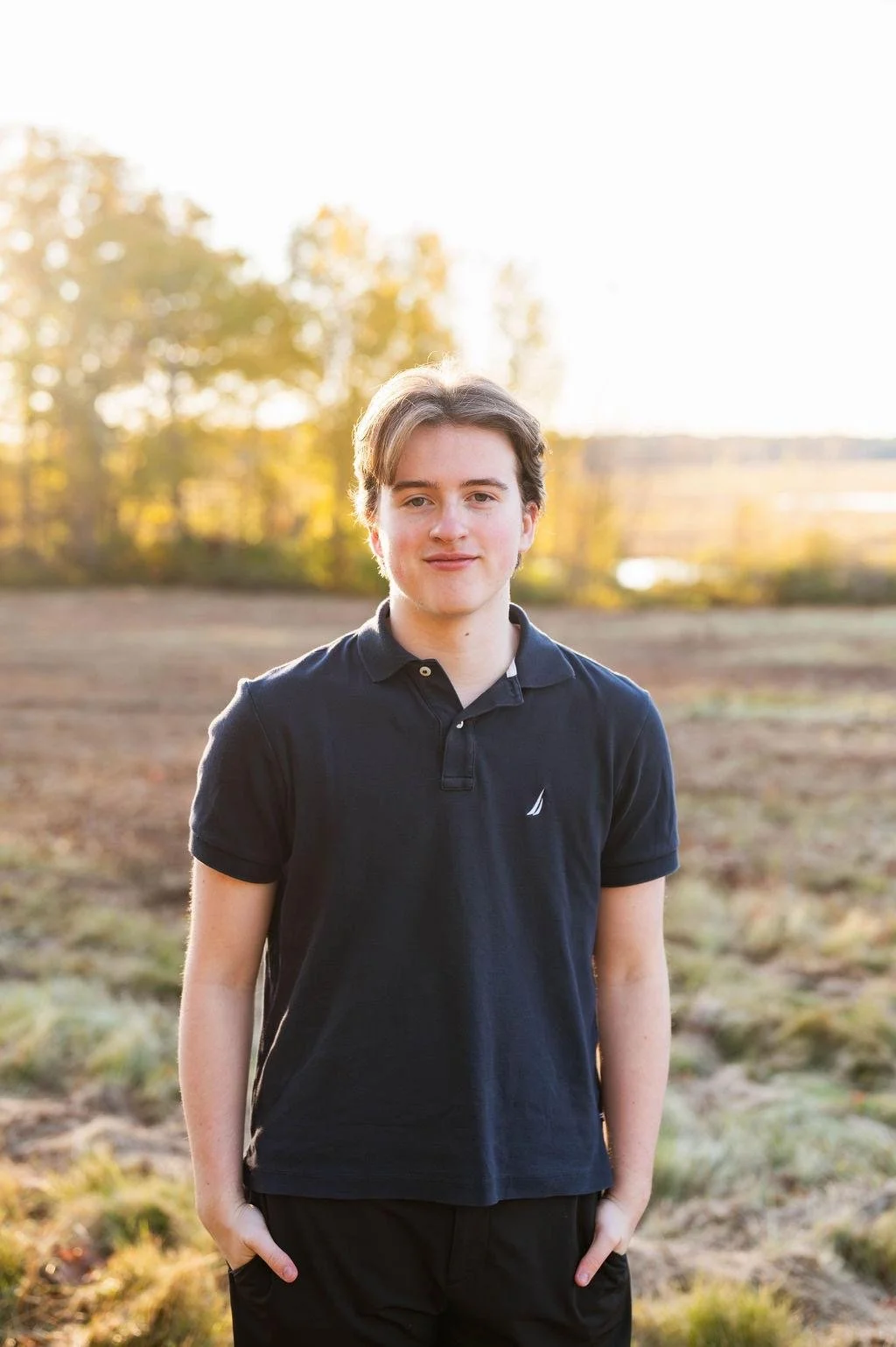
HENRY BARRACLOUGH
LAB COORDINATOR HISTORY + BIOLOGY MAJOR
Hi! I’m Henry, a sophomore on the pre-med track. I love Model UN, tech theatre, painting, and satire writing. I have one brain.
FAVORITE BRAIN FACT: There are no pain receptors in the brain itself.
-
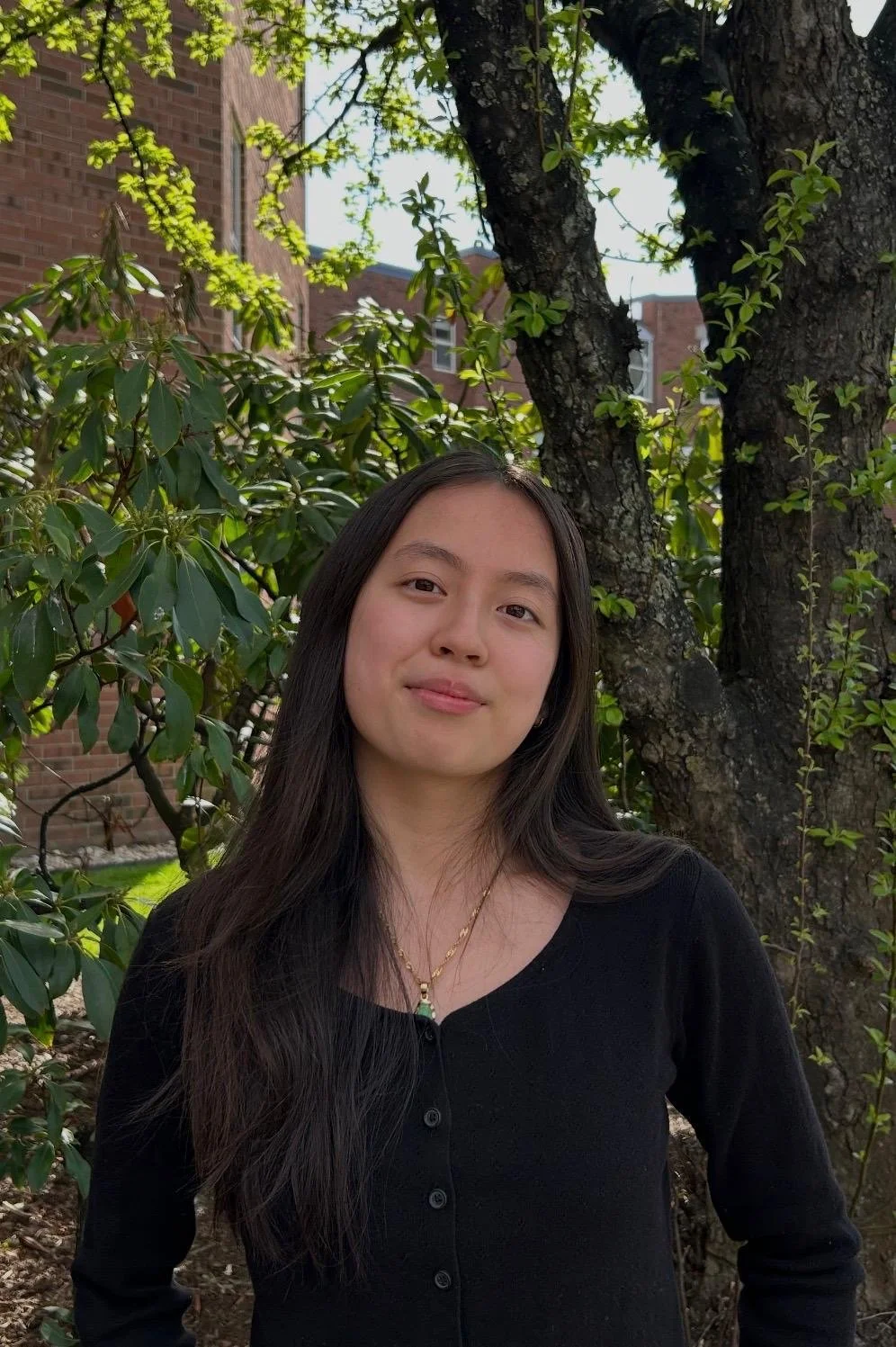
TINA NGUYEN
TREASURER
BIOPSYCHOLOGY MAJOR + CHEMISTRY MINORHi everyone! I’m currently a junior studying biopsychology with a minor in chemistry. I was born and raised in Boston, so I have some insider on great eats and social spaces :) Aside from my passions in neuroscience and community activism/care, I enjoy live music, reading, and card games.
FAVORITE BRAIN FACT: Music can trigger vivid memories in those with dementia and other memory-loss related diseases.
-
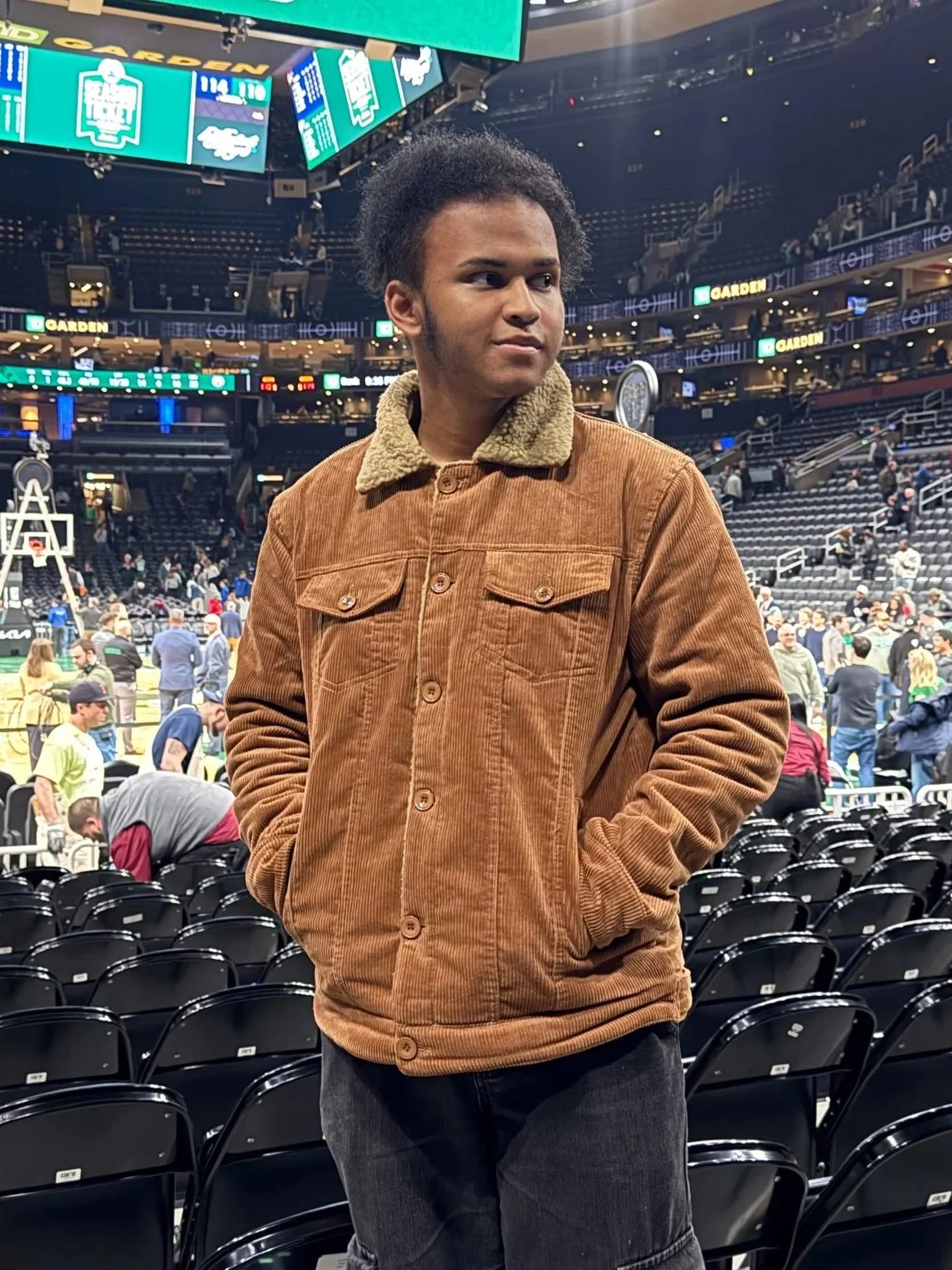
Brian andujar
RESOURCE AMBASSADOR
BIOPSYCHOLOGY MAJOR + SOCIOLOGY MINORHi everyone! I'm currently a sophomore studying biopsychology with a minor in sociology. I've lived in Boston my whole life, and I hope to have a career in the mental health field. Aside from my passion in neuroscience, I love journaling, trying new things with friends, and playing games.
FAVORITE FACT: The brain generates about 20 watts of electricity, which is just enough to power a dim lightbulb!
-
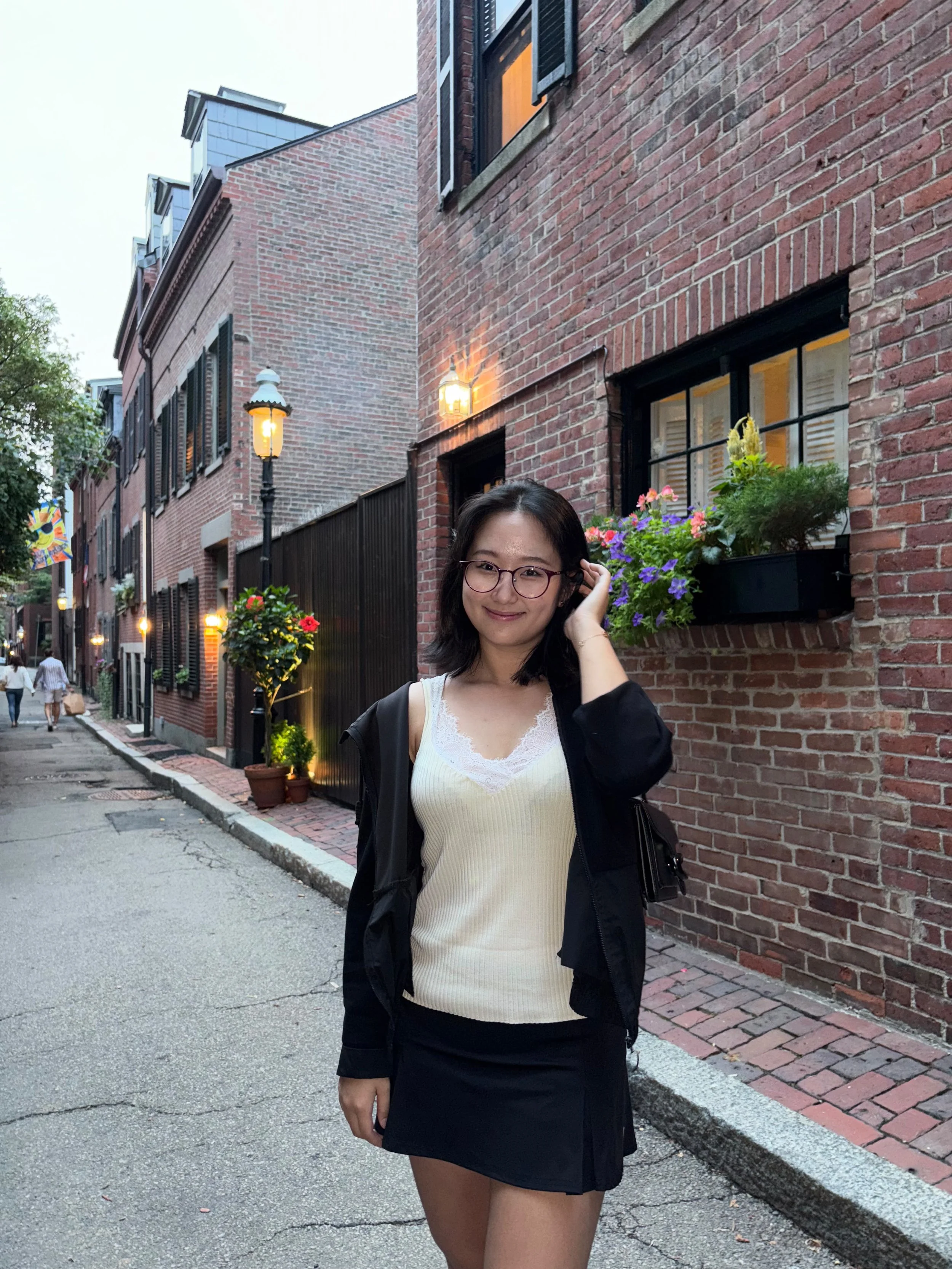
Lina Kim
MARKETING REPRESENTATIVE
BIOLOGY MAJORHi everyone! Im currently a sophomore and juggling my passion in music and medience. I love taking hiphop classes in Boston and I’m currently looking to join a team! Merging my interest into a single project, I built a nonprofit that works to improve cognitive health in the geriatric population through musical performances by students.
FAVORITE FACT: Muscians have a larger corpus callosum, which connects the left and right hemispheres of the brain. So muscians process logical data and emotional cues faster!
-
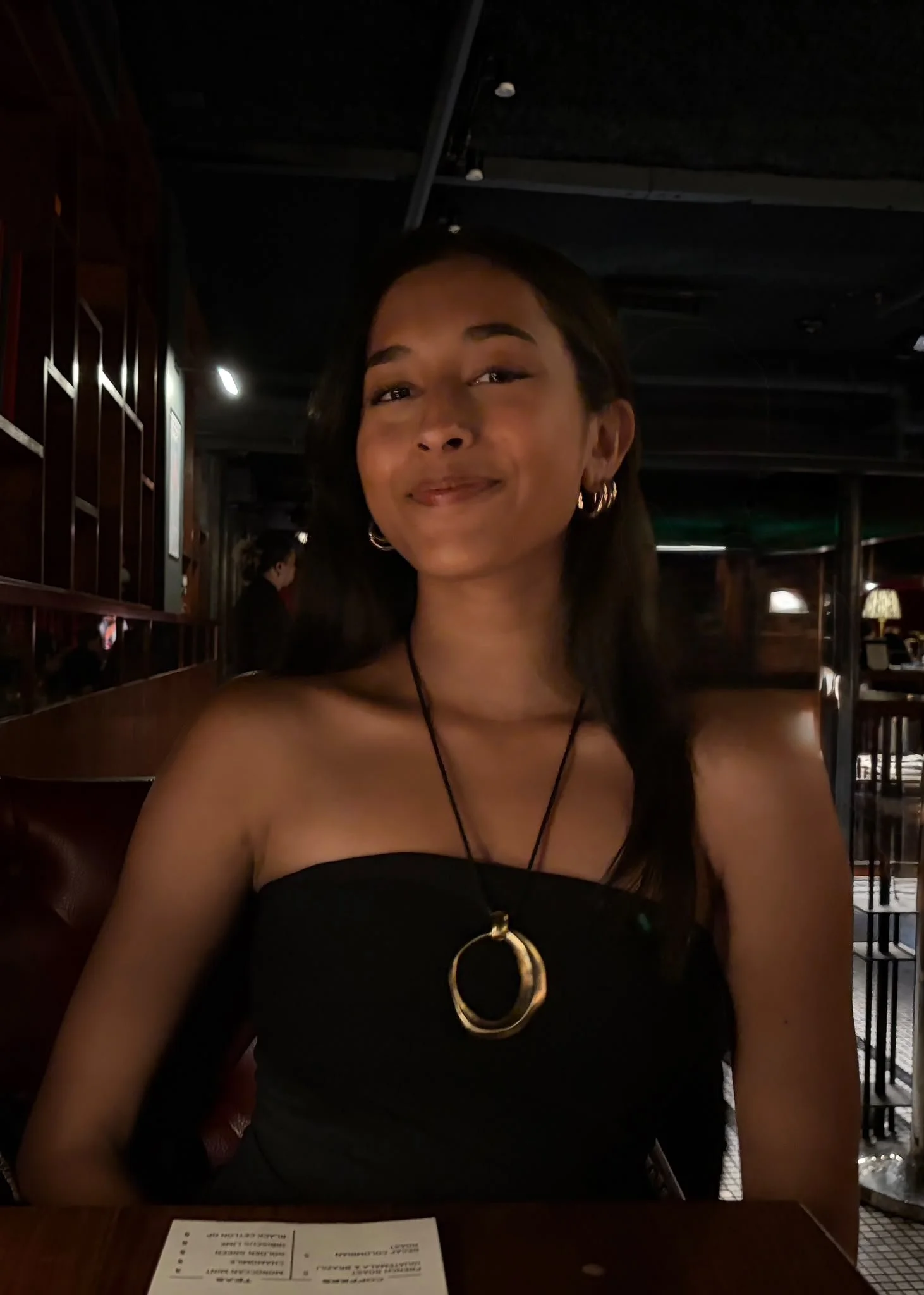
Ananya Ria Rudra
CO-FRESHMAN REPRESENTATIVE
BIOPSYCHOLOGYHi! I am fascinated by the intersection between music and neuroscience, such as the use of music therapy for Alzheimer’s and dementia patients. I’m an advocate for mental health awareness and treatment among young populations. When I’m not in class, you can find me singing or trying new restaurants in Boston with friends!
FAVORITE FACT: Brain regions associated with the neural encoding of music memory (caudal anterior cingulate cortex and the ventral pre-supplementary motor) are some of the last to degenerate in people with Alzheimer's, allowing music to facilitate memory recovery in these patients.
-
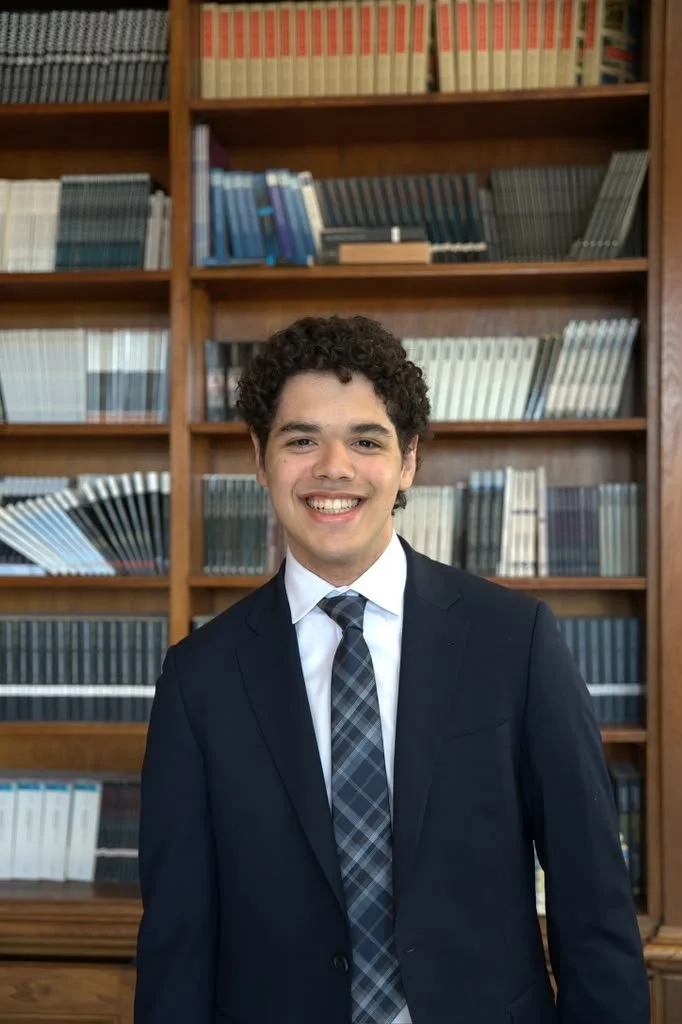
Jeanlukas Meza
CO-FRESHMAN REPRESENTATIVE
INTERNATIONAL RELATIONS + CHILD STUDY & HUMAN DEVELOPMENTHello! My name is Jean and I am a freshman from Brooklyn, NY studying International Relations and Child Study & Human Development! Aside from my passion from neuroscience, you can catch me in the dance studios, trying out new restaurants in the Boston area, or volunteering at a local school or hospital.
FAVORITE FACT: Dancing is a “whole brain activity” and has lead some neuroscientists to conclude that in a 5-year study, participants who danced regularly had a lower risk of developing dementia compared to those who did not. Though this was an observational study, it’s super interesting to see the potential benefits of art and dance in our lives and our brains!